

A comprehensive guide to booking windows, tier priorities, and in-park strategy optimization
Introduction
If you’ve spent any time navigating Walt Disney World’s attraction reservation system, you know that Lightning Lane Multi Pass (LLMP) can feel like a high-stakes game of strategy and timing. The difference between locking in boarding passes for Soarin’ and Space Mountain versus settling for Dumbo and The Magic Carpets can mean hours of walking and waiting—or a streamlined day that lets you actually enjoy yourself.

This Lightning Lane Multi Pass strategy guide breaks down everything you need to maximize your selections: the booking window mechanics that separate Disney veterans from the rest, which attractions are worth your first selections at each park, and how to strategically modify and “churn” passes throughout the day to adapt to changing conditions.
Whether you’re a returning guest who’s been through the ringer or someone booking their first multi-day trip, mastering these Lightning Lane Multi Pass strategies will transform your park days from exhausting marathons into genuinely enjoyable experiences.
Table of Contents
Understanding the Booking Windows: 7-Day vs. 3-Day
The foundation of Lightning Lane strategy starts with understanding when you can book—and how that window differs depending on where you’re staying. Your Lightning Lane Multi Pass booking strategy must account for these critical windows to maximize your success.
For Resort Guests: The 7-Day Advantage
If you’re staying at a Walt Disney World Resort hotel, you get to book Lightning Lane Multi Pass selections 7 days in advance of your park day. This is a meaningful advantage, and here’s why: the most coveted attractions routinely sell out of individual Lightning Lane inventory within the first 5-10 minutes of availability.
How It Works:
- Your booking window opens at 6:00 AM ET on the day that’s exactly 7 days before your park visit
- If you’re visiting on Wednesday, you’d book your selections the previous Wednesday morning
- You can book for all days of your trip on the first day’s opening (so a 5-day trip means booking all 5 days’ worth of passes at once)
- Selections typically sell out fastest during morning hours, particularly for tier-one attractions at Magic Kingdom and EPCOT
- Peak sellout window: 6:05-6:30 AM—the first 25 minutes are critical
The 7-day advantage is real. You’ll see attractions available at 6:05 AM that are completely sold out by 6:30 AM. Set an alarm. Have your Disney+ app or website ready to go. This isn’t optional if you want Tier 1 attractions. This booking window strategy is the single most important factor in mastering your Lightning Lane Multi Pass experience.
For Off-Property Guests: The 3-Day Window
Non-resort guests can book Lightning Lane Multi Pass starting 3 days in advance, at 6:00 AM ET. You can book each park day individually or book multiple days at once if they’re all within your 3-day window.
This is genuinely challenging. You’re competing for inventory that’s already been picked over by resort guests four days earlier. Off-property guests will need more flexibility, smarter tier selections, and better in-park churning strategies to get the most value from the Lightning Lane Multi Pass system.
Key differences for off-property guests:
- Off-property guests benefit more from mid-week park visits (Monday-Thursday have deeper inventory)
- Stay flexible on which days you visit which parks—don’t lock into a specific park schedule
- The inventory curve works against you, so timing and churning strategy become even more critical
- Consider visiting less-popular parks first in your trip when off-property tier-one inventory is still available
Tier Priorities by Park: What to Lock In First
Here’s the hard truth: you cannot get everything. Lightning Lane Multi Pass typically offers 2 tier-one selections per day and unlimited lower-tier options. Your job is to be ruthless about which attractions deserve your tier-one slots—because you’ll only get a couple. This is where Lightning Lane strategy for each park becomes critical.
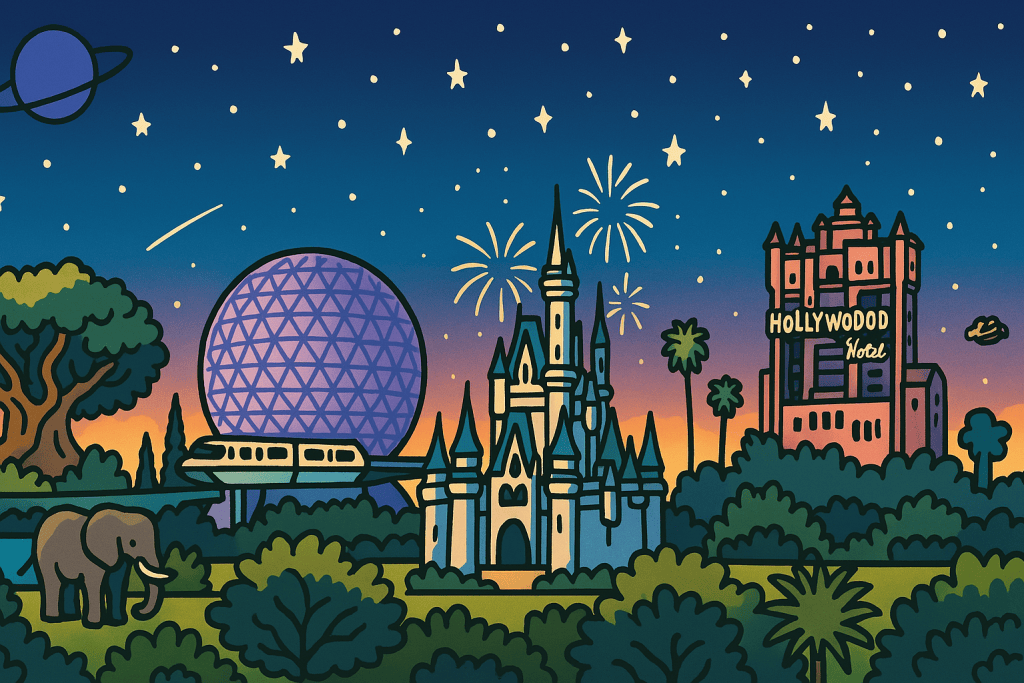
Magic Kingdom Tier-One Priorities
Tier-One Priorities (Lock These In First):
- Space Mountain – The #1 must-have for Magic Kingdom. It consistently maintains long standby waits (60-90 minutes even with low-capacity days) and has limited individual Lightning Lane inventory. If you only book one Tier 1 at Magic Kingdom, this should be it. This coaster is the crown jewel of any Lightning Lane Multi Pass booking strategy at Magic Kingdom.
- Big Thunder Mountain Railroad – Similar logic to Space Mountain. This outdoor coaster hits capacity quickly, and standby waits regularly exceed 75 minutes. Booking this first means you’ve saved an average of 45-60 minutes of walking and waiting.
Your Second Tier-One Pick (Choose Strategically):
- Seven Dwarfs Mine Train – If you’re visiting with young kids, this is the sweet spot. It’s beloved by families, has limited capacity, and keeps kids happy without requiring a height restriction. In standby, expect 50-75 minute waits.
- Tiana’s Bayou Adventure (Once Tiana’s Bayou Adventure opens) – Booking it first might be wise during its opening year.
- Jungle Cruise or Pirates of the Caribbean – Only if the first three slots aren’t available. Both maintain steady 40-50 minute waits, but they’re not as devastating to standby waits as Space Mountain.
Skip These (Better as Standby):
- Dumbo, Magic Carpets of Aladdin, Peter Pan – These are low-capacity, yes, but the standby waits rarely exceed the hassle of strategic routing. Use them as tiebreakers.
- Haunted Mansion, Carousel of Progress – Good attractions, but waits are typically manageable in standby.
EPCOT Tier-One Priorities
Tier-One Priorities (Lock These In First):
- Test Track – The most critical Tier 1 at EPCOT. This ride packs massive capacity but also attracts enormous crowds. Standby regularly exceeds 90 minutes even on moderate days, and individual Lightning Lane sells out within 10 minutes of availability. This is absolutely non-negotiable as part of your Lightning Lane strategy.
- Soarin’ Around the World – Your second lock. The queue moves slowly, capacity is limited, and waits creep to 70-90 minutes by late morning. This is the definition of a “time-saver” attraction and should always be part of your Lightning Lane Multi Pass booking.
- Guardians of the Galaxy: Cosmic Rewind – If you love coasters, this is technically tier two, but availability often makes it competitive. It’s newer, popular, and maintains strong waits. Lock it if it’s available.
Your Third Tier-One Pick (Choose Strategically):
- Living with the Land or The Seas with Nemo & Friends – If tier ones are exhausted, these are solid alternatives that see neglected standby lines.
Skip These:
- Spaceship Earth – Capacity is high, waits are usually manageable, and it’s one of the best attractions to visit at rope drop.
- Frozen Ever After, Gran Fiesta Tour – Fun, but they move enough bodies that standby isn’t painful.
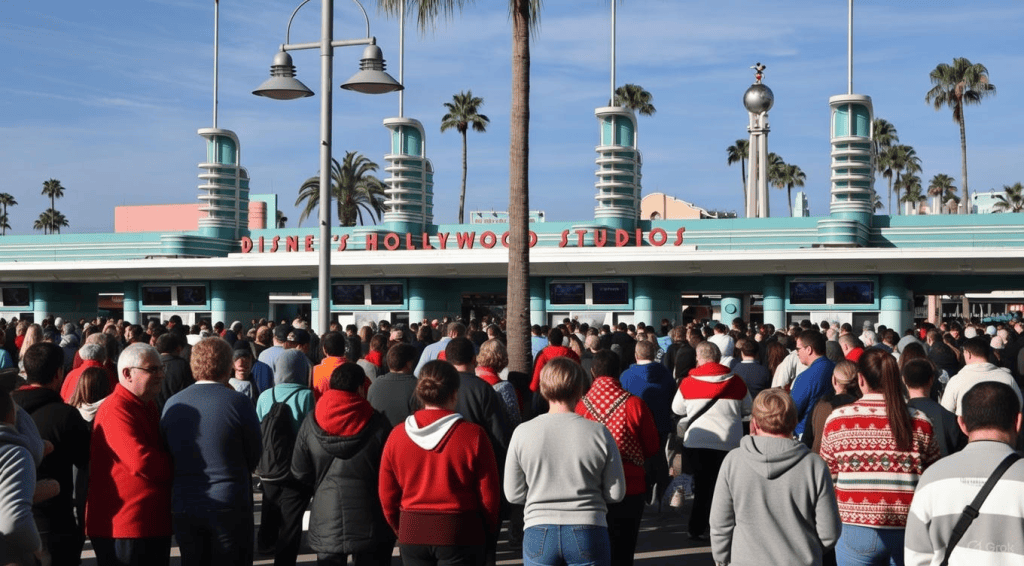
Hollywood Studios Tier-One Priorities
Tier-One Priorities:
- Star Wars: Galaxy’s Edge – Smugglers Run – This is your first lock at Hollywood Studios. Rise of the Resistance is technically in Tier 2 but operates differently and can sell out. Smugglers Run is Tier 1 and essential. Standby waits for this attraction regularly exceed 120 minutes, and capacity is deceptively low for how popular it is.
- Tower of Terror or Rock ’n’ Roller Coaster Starring The Muppets – Pick whichever calls to you. Tower of Terror typically sees longer standby waits (70-80 minutes vs. 60-70 for Rock ’n’ Roller Coaster Starring The Muppets).
Your Third Tier-One Pick:
- Toy Story Land Attractions (Slinky Dog Dash) – Slinky Dog Dash maintains brutal 90+ minute waits throughout the day. If you haven’t locked Tier 1 elsewhere, this is your third choice.

Animal Kingdom Tier-One Priorities
Tier-One Priorities:
- Avatar Flight of Passage – This is the singular must-have at Animal Kingdom. Waits routinely exceed 120 minutes, and it’s the most immersive, transportation-breaking attraction in the park. Lock this first, always. This is the cornerstone of any Lightning Lane Multi Pass strategy for Animal Kingdom.
- Expedition Everest – Your second tier-one pick. It’s the most reliable coaster at Animal Kingdom, maintains consistent 60-75 minute waits, and is worth the Lightning Lane slot.
Strategic In-Park Churning: How to Maximize Your Passes
Once you’ve booked your initial Lightning Lane selections, the real game begins. “Churning” is the practice of modifying and re-booking your multi-pass selections throughout the day to adapt to crowd patterns and optimize your itinerary. This Lightning Lane Multi Pass churning strategy is where experienced visitors separate themselves from the rest.
The Churn Mechanics
Here’s how Lightning Lane churning strategy works:
- Your initial selections are locked – You booked Space Mountain at 9:15 AM and Big Thunder at 11:30 AM at Magic Kingdom.
- After you use your first pass – The moment your group scans into Space Mountain, Lightning Lane Multi Pass releases a new tier-one option for that park that day. You can immediately book your next available tier-one selection.
- The key advantage – Attractions that were sold out at 6:05 AM might be available at 10:15 AM after everyone else has used their first pass and created a churn opportunity.
- Repeat throughout the day – You can theoretically access every tier-one attraction in a park if you’re strategic about sequencing and timing.
Churning Strategy by Park
Apply this Lightning Lane Multi Pass strategy at each park to maximize your selections:
Magic Kingdom Churn Sequence:
- 6:05 AM: Book Space Mountain + Big Thunder Mountain
- After using Space Mountain (~9:45 AM): Churn to Splash Mountain or Jungle Cruise (if tier-one is available)
- After using your second pass (~11:30 AM): Churn to Seven Dwarfs Mine Train or Haunted Mansion
- After using third pass (~1:30 PM): Churn to any remaining tier-one or solid tier-two
EPCOT Churn Sequence:
- 6:05 AM: Book Test Track + Soarin’
- After Test Track (~8:45 AM): Churn to Guardians or Living with the Land
- After Soarin’ (~10:30 AM): Churn to another tier-one or tier-two (Nemo, Gran Fiesta)
- Afternoon churns: Fill in gaps or hit attractions you missed
Hollywood Studios Churn Sequence:
- 6:05 AM: Book Smugglers Run + Tower of Terror
- After Smugglers Run (~10:00 AM): Churn to Slinky Dog
- After Tower (~11:45 AM): Churn to remaining tier-one/tier-two
- Afternoon: Strategic churn based on wait times
Animal Kingdom Churn Sequence:
- 6:05 AM: Book Avatar + Everest
- After Avatar (~10:30 AM): Churn to Kali River Rapids
- After Everest (~12:15 PM): Churn to remaining tier-one/tier-two
- Afternoon: Use remaining churn opportunities
Advanced Churning: Reading the Board
The real skill in Lightning Lane strategy is knowing when to modify and what to book. Here’s the secret: attractions that sell out in the morning often re-open for Lightning Lane availability in mid-afternoon when crowds shift.
Monitor These Patterns:
- Morning tier-one sellouts (6:05-8:00 AM) often have availability again around 2:00-3:00 PM
- Mid-morning re-releases (10:00 AM-12:00 PM) indicate attractions that experienced higher-than-expected churn rates
- Afternoon dips (3:00-5:00 PM) are your best window for previously-sold-out attractions if you time your Lightning Lane churning strategy correctly
This is why staying engaged with the My Disney Experience app throughout your park day is critical. Don’t just book your selections and ignore them. Your active engagement with the Lightning Lane Multi Pass system will make or break your day.
Quick-Reference Booking Checklist
Before Your Park Day:
- Set alarm for 6:00 AM ET on your booking window day
- Have My Disney Experience app and website both open
- Know your Tier-1 priorities for each park in order
- If off-property, identify which days have the best availability patterns (Tier 1 inventory is deeper Monday-Thursday)
- Test your phone’s connection and app response time beforehand
First Booking (6:00 AM):
- Book Tier-1 #1 for your first park
- Book Tier-1 #2 for your first park
- Browse Tier-2 options as backup while Tier-1 is still available
- Don’t hesitate—speed matters in the first 10 minutes
In-Park Strategy:
- Scan into your first Lightning Lane with 15 minutes to spare
- Immediately open My Disney Experience and book your next churn
- Check the board every 45-60 minutes for re-released inventory
- Don’t book tier-two attractions too far in advance (they’re more volatile)
- If an attraction you wanted is available at 3:00 PM, grab it immediately
Time Management:
- 8:30-10:00 AM: Space Mountain/Test Track/Avatar (rope drop)
- 10:00 AM-12:00 PM: Big Thunder/Soarin’/Everest (rope drop completion)
- 12:00 PM-5:00 PM: Lower tiers/churns (afternoon churn window)
- 5:00-7:00 PM: Dinner/show time (use for off-peak dining)
- 7:00-9:00 PM: Final churn push (if park hours extend)
Wrapping Up: The Philosophy of Smart Lightning Lane Strategy
Mastering the Lightning Lane Multi Pass strategy isn’t about booking every attraction (you can’t, and you shouldn’t). It’s about ruthlessly prioritizing the attractions that will genuinely save you the most time and walking, and then staying engaged enough throughout your day to capitalize on unexpected inventory windows.
The guests who complain most about Lightning Lane aren’t usually the ones who booked the “wrong” attractions. They’re the ones who booked their passes at 6:05 AM and then ignored the Lightning Lane Multi Pass system for eight hours, missing opportunities to churn into attractions that re-opened mid-afternoon.
You now have the framework and the Lightning Lane strategy guide you need. The execution is up to you. Armed with these tier priorities, booking windows, and churning tactics, you’re ready to master your Disney World experience and spend less time waiting, more time enjoying.
You must be logged in to post a comment.